Saturday, November 8, 2014

Planning for next year’s garden starts today!


Saturday, November 8, 2014

Early fall is a great time to look back over your gardening season to develop your plan for next year.  Do it now while it is fresh in your mind!

Jot down in a notebook what you learned and want to remember for next year’s garden:
*which veggies did best for you that you definitely want to include in your garden for next year.
*which ones did not do well in your garden and you don’t want to retry next year.
*which ones that did not do as well as you would have liked and you have ideas on what to do differently next season.
*lay out the timing of what you want to plant by month (did you get the spring greens in too late and they bolted or the zucchini too early and the vine borer got to it).
*the number of plants you want to grow for each variety (did you get swamped by too many peppers and not have enough cucumbers?).
*ask neighbors what varieties worked well for them and jot them down as some to try next year.
*if you haven’t done so already, draw out this year’s garden so you can remember where everything was planted; you will want to rotate locations for next year to boost harvests and reduce bugs.

I keep notes in a planner so I can review what varieties did best each month.  For those that did really well in the garden, I save the seeds and label them.  By saving the seeds of the plants that did well in your garden, you are creating plants that thrive in your ecosystem.

I keep them in ziplocks in our refrigerator crisper drawer.  I have seeds from 10 years ago and they are still germinating well.  You may think you will remember next year all the details, but you may not.  So, to be safe, label the baggie with the variety, date, where it did well (in the ground, pot, shade, sun), and when it produced.

You can also make a list of what you want to learn more about over the winter to be better prepared for spring gardening.  Did your peppers leaves turn yellow, your tomatoes not produce as much as you expected, your lettuce bolted early, what is the best fertilizing routine for the veggies you grow?

I also recommend keeping a diary over the winter of the produce you are eating.  This will give you a great idea on what you should plant and how many you should plant come next gardening season.

You can research over the dreary winter days and dream of the warm, green, growing days to come.

Sunday, November 2, 2014

What's happening in the early November garden

Harvest from yesterday-peppers, tomatoes, eggplant

Sunday, November 2, 2014

Well, we had our first hard frost this week in our Zone 6 garden.  The temperature got down to 27 degrees F.  It was cold enough to bite the tomatoes, eggplant, dahlias, and pepper plants.  

I could have used a fabric cover to protect these cold sensitive veggies and they would have been fine for this temperature.

There was not enough damage to the tomatoes, eggplant or pepper plants to halt the fruit production.  The next 10 days do not show any temperatures down to freezing so I will leave them growing.  The next time the forecast has the temperatures going into the 20’s, I will harvest all the peppers, tomatoes, and eggplant fruits and call it a season for these summer veggies.


You could bring the pepper plants indoors and they will continue fruiting for weeks and put them back out in the spring to get a head start on summer.  I get enough hot peppers off each of the plants to freeze for the winter and spring that I don’t do this.  If I had a pepper, eggplant or tomato plant that was just superb, I would consider bringing it inside for the winter.  All are tender perennials. 

You could also put the potted tomatoes, eggplant and peppers in a greenhouse and lengthen the season for at least another 4 weeks. 

The cold season crops like lettuce, cabbage, kale, broccoli, cultivated dandelions, spinach, onions, mustard, sorrel are very happy.  The celery is still going strong.  It doesn’t seem to be affected by heat or cold.  We harvest from it year round.

The basil and stevia turned black with the first frost.  They are a very cold sensitive.  The rest of the herbs are doing very well-thyme, oregano, chives, dill, rosemary, sage, bay, parsley, mint, tarragon.  


Don't forget your local Farmers Market if you want local and freshest produce in season.  Many are open all winter long!

Sunday, October 5, 2014

Homemade adult beverages from homegrown ingredients


Sunday, October 5, 2014

Bitters are a combination of alcohol, herbs, spices and other flavorings.  They were once sold as medicine.  Today, they are used to add unique, fun flavors to cocktails.  Use your imagination to create your own signature adult beverages!

Bittering agents:  Barberry root, Burdock root bark, Black walnut leaf, Dandelion root, Gentian root, Quassia bark, wormwood

Aromatics: Fresh and dried fruits, Apple peel, Chile peppers, Fresh or dried citrus peel, toasted nuts, Hibiscus, Hops, Lavender, Rose, Allspice berries, Caraway seeds, Coriander seeds, Fennel seeds, Cardamom pods, Cinnamon sticks, Fresh or dried ginger, Juniper berries, Lemongrass, Dried lemon verbena, Dried mint, Black or white peppercorns, Star anise, Vanilla extract, seeds or pods.

Recipe:
1/4 to 1/2 cup main aromatics, or more to taste
1-4 tablespoons supporting aromatics (choose 2-5)
1-4 tablespoons bittering agents (choose 2-4)
1 cup high-proof alcohol (150-160 proof)
1 tablespoon sugar dissolved in 2 teaspoons water

Place aromatics and bittering agents in a canning jar and add the alcohol.  Seal and shake well.  Store in a cool dark place.  Shake daily and taste for up to 21 days.

When taste is to your liking, strain through cheesecloth.  Stir in dissolved sugar water.

Keep in sealed jar at room temperature.  Use a dash in cocktails, soda water, coffee, tea, and almost any sweet or savory dish!

You could go on the hunt for old fashioned bitter jars to store them in.  Stored in interesting jars can make beautiful displays or gifts.
You can get a sense of the taste by steeping the combo you are thinking of trying for 5-15 minutes in boiling water.  The only limitation is your imagination!

Saturday, October 4, 2014

What's happening in the early October garden

Dwarf tomato in the background, marigolds in the foreground


Saturday, October 4, 2014

This is a time of year that most summer vegetables are winding down and cold crops are growing strong.  Petunias, dahlias, red hot poker plant, and marigolds are blooming with abandon.  With frost, many summer vegetables will die and cold season crops will get sweeter.

We have fertilized for the last time; fertilizing encourages new growth which is more susceptible to frost damage.  You can also remulch your garden beds to give an added blanket of protection to prolong the season.  The mulch will break down over the winter, providing additional organic matter.

Our zucchini and cucumbers quit producing in the last couple of weeks and the vines are dying.  To extend the harvest, it is a good idea to replanted zucchini and other summer veggies in mid-August to keep these plants at top producing vigor until frost.

This year, I did not plant a second crop.  I have pulled the cucumber and zucchini vines as they have stopped producing.  

Our tomatoes and eggplant are still producing well.  For tomatoes, be sure to take all the tomatoes off the vine before it frosts.  You can either wrap the green tomatoes in newspaper and store in a cool place to ripen, make them into relish, or eat them as fried.  For fried green tomatoes, we like a Cajun batter.  Gives them a nice, spicy flavor.
Yellow banana pepper

Any plant that has a disease, do not compost!  Throw away.  Composting may not kill all spores and you could be spreading the disease next season wherever you use the compost.

Peppers love this time of year.  They are native to the mountains so October is perfect for them.  They will continue to produce even after frost.  To prolong the season, I put the pots up against the house on the sunny south side.  You can also bring them indoors and they will produce for weeks inside.  My jalapeño produced until January.  When spring comes and you put them back outside, they will get a jump start on producing next year.

I still have Ancho Anaheim, Poblano, Cayenne, Pimento and Jalapeño peppers that are ready to harvest.   I harvest them when they start to get some color in them and let them finish ripening on the counter.  Removing the fruits encourages the plant to replace them, giving you more peppers.  Peppers get sweeter when they ripen, but are good to eat even when green.  None of my peppers this year seemed fast to ripen.  I did get a good many off the plants, though!

For the sweet peppers, the yellow banana and Nikita did very well.  The Nikita was the first to ripen and had many early in the season.  About the time the Nikita slowed down, the yellow banana came on strong.  It is back to the Nikita going strong.  Having the two kept me well supplied in sweet peppers.

I harvested the basil and dried them this year for use in my herbal seasoning blend since I still had a good supply of pesto frozen from last season. The basil plants are quickly regenerating.  You can get several harvests off of in one season.  

Basil are very tender annuals and will turn black with the first frost.  You can dig them up and bring them in for the winter.  Place them in a full sun spot.  You can put them back outside again in the spring after all danger of frost has passed.
Earthbox with sprouting broccoli on left and new lettuce on right

I planted some chard, spinach, lettuce I had started in trays, Giant Red and Ruby Streaks mustards (both are edible), and reseeded Earthboxes with winter lettuce seed mix in mid-September.  

I started seeds in the Aerogarden, a hydroponic seed starting system that has an excellent germination rate.  I also put into flats some 9 Star broccoli.  This is a perennial broccoli.  It looks like a cross between a broccoli and cauliflower plant.  
Week 2 in Aerogarden

All are doing well.  Many lettuce seeds have sprouted.  The transplanted lettuce, spinach and chard are large enough to harvest leaves.

Cabbage, kale, broccoli, carrots, lettuce, chard, onions and other cold crops are get sweeter with cool weather and a nice frost.  If the taste of these are too strong for your palate right now, give them another chance after frost.  Our Egyptian walking onions are lush and green.  The bulbs are filling out nicely.
Tomato on left, Egyptian walking onions on right

This is also the perfect time of year to reseed your lawn or transplant perennials.  I have several perennial herbs started in the Aerogarden to transplant at our lake house.

Many herbs are perennials-garlic, sprouting onions, lavender, oregano, chives, sage, tarragon, thyme, savory, salad burnet, and rosemary.  Last year the winter was cold enough that my bay laurel and rosemary were both killed.  I replanted in the spring.  Hopefully, they will make it through this winter!

Fall is a great time to cut back your herbs.  Save the stems, place loosely in a paper bag, put in a dry location, and in about a month you will have all the dried herbs you and many family members will need for the next year!

We are also still getting fruit from the garden.  Strawberries are perennials.  The ones we planted this spring are sending out many runners.  You can remove the runners and replant where you would like more strawberry plants. The everbearers and Alpine strawberries are still producing berries.  Our fig tree is also still producing figs.
This week's harvest-a variety of peppers, tomatoes, eggplant

Fall is a bountiful time for gardening.  I have planted many winter hardy varieties of lettuce, kale, collards, mustards, and cabbage to keep the garden producing into December and hopefully beyond.  With the portable greenhouse, we should have greens all winter.

Sunday, September 28, 2014

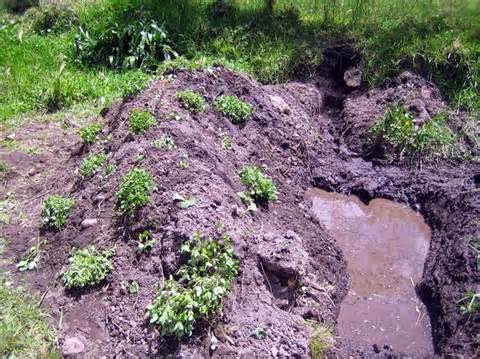
Hugelkultur gardens-raised mound gardens


Sunday, September 28, 2014

I have read about this type of garden and am definitely go to try it out soon.  Fall is the best time of year to build one!  It is an ancient form of sheet mulching from Eastern Europe.  With this type of raised bed garden, you don’t even need to water.    Hugelkultur is German and means “mound culture.”  It is great way to use fallen trees and brush.

Basically, you build a mound out of logs and brush as high as you would like.  You can dig it in a foot or just lay them right on top of the ground.  Start with the biggest logs you have.  You can build the pile 1-2’ of logs and brush.  Then, stomp on it.  Then add leaves, the sod you cleared for the hugel garden, compost, garden waste, manure, and dirt, making a mounded heap with about 45 degree sides.


The taller the mound, the less the need for irrigation.  Some are over 6 feet tall!

As the logs and brush decompose, they create little pockets and organic matter; tilling and fertilizing themselves.  The garden fertility improves over time and the need to irrigate reduces over time.  You can plant in it the first year, but you will see improved results over time.  To help it along, plant legumes as they are nitrogen fixers.  Peas or fava beans in the spring or fall and green beans in the summer.

The best would be to prepare the hugel garden in the fall so it will be ready for spring planting.  Another way to get a jump start would be to use new wood on the bottom and well rotted wood on the top layer.


You can edge the garden with logs, stones or nothing at all.

There are very few trees that are not the best candidates for this type of garden like cedar, black walnut, any treated or painted wood, black locust, or black cherry.

Sunday, September 14, 2014

What's happening in the mid September garden

Early fall bounty-tomatoes, peppers, zucchini, herbs, eggplant

Sunday, September 14, 2014

The plants that like this kind of weather are tomatoes, eggplant, peppers, Egyptian walking onions, cucumbers, the Mediterranean herbs like basil, rosemary, sage, oregano, chives, savory, dill, tarragon and thyme and all types of greens.  We are preserving for year round eating everything we have extra right now.  It is so rewarding to know that we can eat food we grew year round.

In the last week, we have seen the temps go from the highs in the 90's to the highs in the 60 and 70's.  Quite the change!  It definitely feels like fall is on its way.

We just went through and fertilized with an organic fertilizer from Espoma.  With natural fertilizers you don’t have to worry about “burning” your plants as they slowly release into the ground.   This may be the last time we fertilize this season. You should fertilize about once a month through the growing season.  You don’t want to shoot too much nitrogen to your fruit producers as you can end up with all leaves and no veggie fruits.  

It is important to get all your winter and overwintering veggies and greens up to full size prior to early November.  The days are so short come November that there will be minimal growth from November to mid January.

Our garlic has finished hardening.  It is recommended you leave garlic and onions you want to store in 80+ degree temperatures in the shade for a couple of weeks.  Ours have been hardening on the deck for about 6 weeks.  It is now ready to plant in the waning of the moon next month.

All of our veggies and herbs are doing well with the exception of the zucchini.  We are still getting some fruits, but they are producing slowly and the plant is starting to die back.

The chives, rosemary, tarragon, dill, and sage are all doing quite well.  The Egyptian walking onions are thriving.
Dwarf cherry tomato, cultivated French dandelion, and marigolds

The tomatoes we planted are still producing well, both the dwarfs and full size plants.  We have gotten quarts and quarts in the freezer and have canned 9 half liters.  When the tomato season is over, I'll thaw many of the frozen quarts and make more sauce.  It is much nicer canning in cool weather!

Our spicy pepper plants are doing fine.  They are on the smaller side this year.  We just didn’t get many jalapeños.  The cayenne pepper plant is full of green peppers.  The Cajun Belle has given up.  

The sweet bell pepper plants have always produce less than the spicy peppers in our garden.  This year I tried some different sweet peppers and have had much better luck.  The sweet yellow banana and Nikita peppers have been very productive this year!  I have gotten plenty to munch on and freeze.

So far, I have only gotten 6-7 pimentos (have 4 more on the plant) and several baby chocolate bell peppers.  I am getting enough pimentos to freeze for the Pasta House salad we love to make, and eat.  The Poblano, Ancho, and Anaheim peppers are doing quite well.  We will have enough peppers to dry for chili powder all winter.  
Nikita sweet pepper plant

For peppers, if you want to maximize the harvest, pick them as soon as they get to full size versus letting them fully ripen to red, yellow, or orange on the plant.  This stimulates the plant to produce more.  If you let them ripen on the plant, the taste will be sweeter.  I compromise and take them off just when they start to turn.  They complete ripening on the counter in a few days.

I had 3 cucumber plants.  Two have been doing very well.  I get about 4 cucumbers off them each week. They are so crunchy and flavorful right off the vine!  Any extras go into pickles.

I am transplanting lettuce plants from the small tray self watering pots into the Earthbox planters and into the garden.  We keep them well moist so they sprout and grow quickly.   

I had also reseeded the Earthbox last week end and there are little lettuce and spinach growing.  We will cover the Earthboxes with a small portable green house later this fall so we can have salads throughout the winter.
Earthbox with lettuce sprouts from seeds last week coming up


I planted chard transplants in the garden bed from the pot I had it in, too.    Chard comes in such beautiful colors.  They are perennials so should come back next year if the winter is not too harsh.  Since the Farmer's Almanac is calling for another cold winter, we'll do extra mulching in late fall to protect the perennial greens, veggies, and herbs.

Make sure you save the seeds from your best and longest producers to plant in your garden next spring.  I also save seeds from organic produce I get from the store that is really good.  Last week end when we were at the grocery store, there were these beautiful burgundy and dark green striped tomatoes.  I bought the biggest, prettiest one they had.  We enjoyed the tomato and saved the seeds.    Next year, we'll be able to have them in our own garden!

This week we found "Black Italian Prune Plums." We bought them for a friend who likes to make jam.  They made beautiful, delicious burgundy colored jam.  She saved the seeds for me.  I researched them and found out that they are actually heirloom "Damson" plums.  I have put them in moist Sphagnum moss in a ziplock and will store in the frig over the winter.  Next spring, I'll plant those that have sprouted.  They produce fruit in 4 years and are a pretty tree that will be a nice addition to the yard and the pantry.
Black Italian prune plums, "Damson"


This fall, we will have arugula, mustard greens, lettuce, chard, blood veined sorrel, garden sorrel, French and Italian dandelion, spinach, lettuce, purslane, corn salad, celery, chives, parsley, arugula, and sprouting broccoli for salads.  Peppers, eggplant and tomatoes will produce until the first freeze.  The Egyptian onions will produce all through winter.

Saturday, September 6, 2014

Time to set out transplants for fall, winter, & spring harvests


Saturday, September 6, 2014

Now is the time to put out your transplants for your winter garden.  Winter producing varieties are the really hardy cold crops that thrive in the cool temperatures of spring, fall and winter. To get the longest harvest possible, look for varieties that say “cold hardy”, “early winter”, “overwintering”, “winter-hardy”, “cold tolerant”, “bred for winter production.”  

With cover, the following will allow you to harvest all winter: arugula, beets, chicory, corn salad, lettuce, mustard greens, parsley root, radicchio, radishes, spinach, and swiss chard.

The following don’t require covering: brussels sprouts, winter harvest cabbage, carrots, collards, kale, kohlrabi, leeks, bunching onions or Egyptian onions, parsnips, rutabagas, turnips, salad burnet.

Any perennial greens can also be planted now.  Your perennial greens and overwintering varieties are the first up in the spring.

If you didn’t start seeds, big box stores, local nurseries and even mail order nurseries have begun to have fall planting veggies so you can still get transplants to plant in time for fall, winter, and spring harvests.

*Asparagus (planted now for spring)
*Sprouting broccoli (will come back in the spring, too)
*Cabbage (at this point, look for ones with the shortest days to maturity)
*Carrots (can be pulled all winter)
*Chard (will survive winters if placed in a sheltered area and mulched)
*Collard Greens (a southern favorite)
*Corn salad (also called Mache)
*Egyptian walking onions (harvest all winter in a pot or ground)
*Garlic, shallots, leeks (can be planted into late next month)
*Kale (may survive all winter into spring)
*Lettuce (can germinate at temps as low as 40 degrees F)
*Mustard greens (love Giant Red and Ruby Streaks)
*Bunching onions (depending on type, ready to harvest Oct-Dec)
*Overwintering onions (all onions can be left in the ground in Zone 6)
*Overwintering peas
*Radishes (can be pulled all through winter)
*Rutabaga
*Salad burnet (a perennial has a fresh cucumber/cilantro taste)
*Sorrel (a perennial that has a tart taste kind of like Granny Smith apples)
*Spinach (many survive the winter to mature in early spring)

Your transplants will grow quickest in the earliest part of fall, slowing down as daylight hours decrease.  From November to mid-January, there will be minimal growth.

Fall and winter harvested veggies are at their crispest and sweetest after a light frost.  The cold temps concentrate the sugars, making them extra yummy!