Sunday, January 4, 2026

January 2026 Edible Garden Planner

Sunday, January 4, 2026

As a new year begins, gardeners dream of the possibilities for their spring and summer gardens.  Big box stores have seeds in stock and all the seed starting supplies you need to get a jump on the spring season in January.  My biggest issue is paring down all the plants and edibles that look fun and fabulous to grow to what can actually fit in my small space garden and pots and is easy to manage.

Grow what you love!
The easiest way to fall in love with gardening is growing what you love to eat and look at.  There is nothing like strolling out to the garden to see what's ripe and tasty for dinner and gathering blooms to bring inside for the table vase.  If you have ever wanted to plant a kitchen garden, but weren’t sure if you had the space or skills, you may be surprised how little space is actually needed.

We grow all we need for fresh eating and putting away for the winter in our flower beds and pots.  Just mix in greens, herbs and veggies with your flowers and bushes.  Add edibles to your decorative pots.  It looks great, flowers attract beneficial insects for more veggie production, and is so easy to run out and get what you want to eat that day right outside your door.

If you aren't sure you can grow veggies, start with herbs.  Herbs thrive on neglect so are a great choice for dipping your toe into the edible gardening arena.  This is how I transitioned from a purely ornamental garden to integrating edibles into my flower beds.  A bonus is many herbs are perennials so only have to be planted once and come back year after year.  

Herbs come in all different sizes as well.  I love growing creeping thyme between stepping stones and around the perimeter of the garden.  Thyme is also a vole deterrent.  Oregano and tarragon are taller and have a tendency to fill out a space so better suited for the back of the garden.  And there are many in between.  Pick herbs that you use a lot in cooking and use those in your flower bed as a start.

You can grow a lot in a small space
It is common for Italians and French to have a small kitchen garden where they grow herbs, greens and vegetables year round.  It is amazing the amount of food you can grow in a very small space!  How to decide what to plant for small spaces?
If you have only a 6’ x 6’ space, a Mediterranean kitchen garden could include the following:
Herbs (1 each)-thyme, rosemary, sage, oregano, and flat leaf parsley 
3 basil plants (for pesto and seasoning)  
2 tomatoes-1 small fruiting and 1 slicer type 
2 sweet pepper plants  
1 zucchini (look for “bush” types as they are more compact)  
1 eggplant 
8 red bunching onions 
8 garlic plants 
Arugula, spinach and lettuce scatter sowed  

For more details on a compact French garden:  Small space French kitchen garden
For an Italian garden:  Heirloom Sicilian kitchen garden  To entice the little ones, chose a theme like "Pizza or Spaghetti Garden".  For those that lose interest in waiting, plant crops that have something for little ones to snack on from spring through fall.  

Use your patio to grow edibles with flowers 
If you also have room for pots on the patio, you can grow zucchini, eggplant, peppers and cucumber in pots  (only 1 plant in each pot) and add 3 bush or 6 pole bean plants in the garden bed or pot with a trellis for them to grow up. Look at the descriptor on the seed package to see which type the bean plant is.  Personally, I stick with the pole beans you eat whole as shelled beans you do not get as much food per plant, and less food per space in a small garden.  Pole beans produce all summer and fall.

If you have more room, you can add almonds (yes, they survive Midwest winters), beets, chard, fennel, chickpeas, figs (grows well in a pot too), asparagus, cardoon, chicories, radicchio, endives, broccoli, cauliflower, or artichokes.  

If you are just beginning a garden, do start small!  You want the garden to be fun and relaxing, not overwhelming.  Don't be afraid to begin.  The force of life is strong and really doesn't need much from us.  Buy a few plants in the early spring and just put them in the ground in a sunny spot with a natural fertilizer and you will be amazed at how they just go to town all by themselves!
Vintage WW2 poster
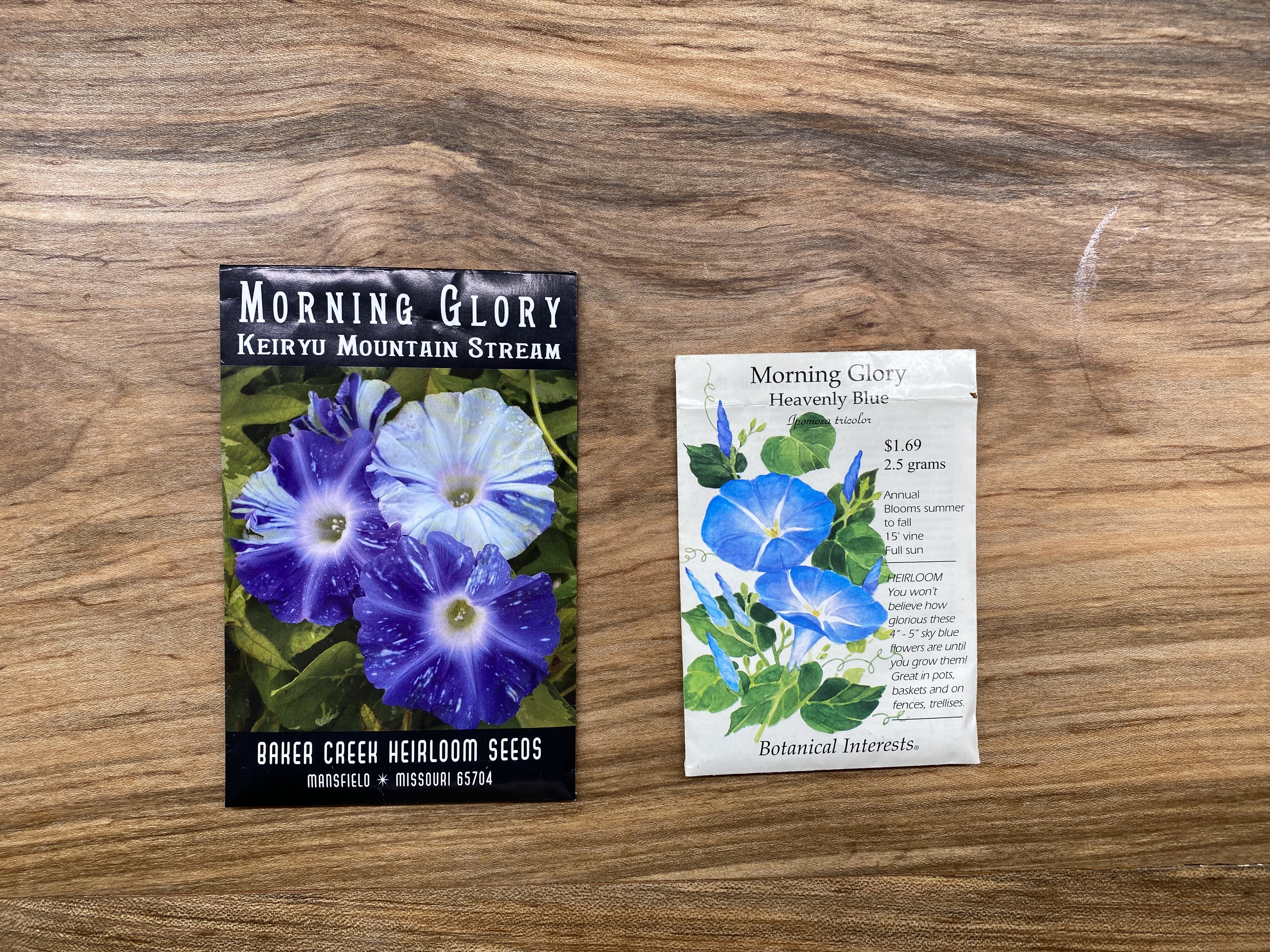
For seed catalogues, the ones that have the best chance of thriving in your garden are the ones that do their trials in your area of the country.  The seeds and plants they carry are the ones that have performed the best for them in their trial gardens.  Baker Creek is fun because they specialize heirlooms and rare seeds from around the world and are here in the Midwest.  Territorial Seeds has a good summary in each section of growing tips and their seed farms are mainly in the Northwest.  I have had very good success with both.  I look for key words in the packet description that reflect our growing conditions here in the Midwest summers.  This year, I also ordered from Southern Exposure Seed Exchange as they carry many varieties that can stand our summer heat and humidity.

My favorite catalogs are the ones that the links are on the right.  I have ordered from them all and been happy with their selection and how well the plants and seeds did.

After you have the list, pare it down to your space 
If you are like me, your list will be much longer than what you can grow in your space.  The hardest part for me is crossing off what I will NOT grow this season.  Split out what you want to grow by when they are producing in your garden, your cool season crops from your heat lovers.  If you start in early spring, you will want to plant the crops that grow well in cool temperatures like lettuce and spinach.  Spring edible garden  When all chance of frost has passed is when you will plant the heat lovers.  A summer edible garden  If you are just starting, start small and only try 2-3 of your favorites so you can easily care for them and learn about gardening.   

Here's how my garden fared in 2025, what I learned and my garden plan for 2026  Reflections on the 2025 garden and the 2026 garden plan  I have started ordering my seeds and plants for my 2026 garden and will update my plan with the new varieties that I think I'm going to try.  I'm sure my plan will continue to change slightly with how well my seeds come up and what looks enticing from the seeds I already have.

I'll start looking at my seed starting calendar soon.  There are varieties of edibles and decorative seeds that you can get started in January.  I'll have more seed starting in February and then my biggest month for seeds is March.  For more on what you can start indoors and outdoors in January:  What to plant for the January 2025 edible garden

Still having trouble deciding?  Well, you have some time before the season starts.  Heck, you can procrastinate all the way to June..........  It is not too late to start a garden in June!  You can use this time to make your plan based on what you eat this winter.  Use this winter to figure out what to grow in the ...

Saturday, January 3, 2026

New Year's resolution-eat well, be healthy

Garden on Amalfi coast in Italy, overlooking the sea

Saturday, January 3, 2026

The Mediterranean diet is rated the healthiest year after year.  It comes out as the best way to eat for health, a healthy weight, and longevity.  It is also yummy and easy to grow anywhere in the US.  You can grow a Mediterranean diet garden in your own small space.  Eating fresh from the garden is convenient, has the highest nutrition and saves money.  I have found that having a garden makes me plan our meals around what is ready to be picked or what I have put up for the winter.   

You may think you can't grow what they do in the Mediterranean region here in the Midwest, but you can grow everything they do outside except for citrus and dates.  Both can be grown in pots and brought indoors in the winter if you want.  I have a Meyer lemon tree that does great spending the spring, summer and fall outdoors and winters indoors.  It does just as well overwintering in a well lit unheated garage or basement as it does in the living room window.

The healthiest food is the one that is "closest to the root".  Fresh produce is teaming with live nutrition and enzymes.  As soon as a fruit or vegetable is picked, it begins to die and lose nutritional value.  Eating as much fresh, organic and unprocessed is the way to maximize the nutrition you get.  Organic foods don't have GMO's, pesticides and herbicides that have less nutritional value and the toxins of the chemicals used on conventional fruit and vegetables.  What do the terms GMO, natural, heirloom, organic, hybrid really mean?  

Here are Mediterranean garden plants that you can grow in your own backyard.  A space as small as 6' x 6' can give you all you can eat spring, summer and fall.

Fruits, vegetables and nuts
Artichokes
Asparagus
Beans-chickpeas, fava beans, snap beans, navy beans
Beets and turnips
Carrots
Celery
Cucumber
Dates (needs to winter indoors or heated greenhouse)
Eggplant
Fennel
Figs
Grapes and grape leaves
Citrus (winter indoors or heated greenhouse)
Greens-lettuce, radicchio, spinach, chard, arugula and others
Mushrooms
Nectarines
Nuts-almonds, pine nuts, pistachio (Zone 7-10), walnuts
Olives (varieties available to Zone 7)
Onions, shallots and leeks
Peaches
Peas
Peppers-sweet and spicy
Potatoes
Radishes
Tomatoes
Zucchini and other squash

Herbs
Basil
Bay
Chervil
Chives
Cilantro
Dill
Fennel
Garlic
Marjoram and Oregano
Mint
Parsley
Rosemary
Saffron (stamen from crocus flower)
Sage
Tarragon
Thyme


Dates and citrus are the only things on this long list that cannot be grown in our zone outdoors year round.  You can get varieties that can be brought into an unheated garage/basement or grown in a heated greenhouse outdoors.

Here in the US, we can grow the high antioxidant berries like raspberries, blackberries and blueberries without any special winter handling since they are native here.  

The key to Mediterranean eating is eating lots of vegetables, to plan around what produce is in season, the liberal use of fresh herbs, cooking with olive oil, and very little red meat or processed foods.

What could a small space Mediterranean garden include?  
Below is a plan for a 6' x 6' space.  Feel free to substitute for the veggies that you prefer to eat.  All below can also be grown in pots as well.  Edibles that love pots
Herbs (1 each)-thyme, rosemary, sage, oregano and flat leaf parsley
3 basil plants (for pesto and season)
2 tomato plants-1 Roma type for sauces and 1 slicer or cherry type for salads
2 sweet pepper plants
1 bush zucchini plant
1 eggplant
8 red onions
8 garlic plants
Arugula, spinach and lettuce scatter sown

For more info on growing herbs and a kitchen garden: